A black lace lingerie dress spotted on the red carpet in Cannes is found, a few weeks later, in ready-to-wear versions in Parisian shop windows. This radical shortening of the cycles between runway and wardrobe illustrates the ongoing transformation of French fashion. Trends no longer slowly descend from the catwalk to the street: they arrive almost in real-time, driven by a supply chain that accelerates its responsiveness throughout.
Short seasonality and French fashion: from the red carpet to the street in just a few weeks
For several seasons, a phenomenon that professionals call short seasonality has been observed. The silhouettes spotted at events like the Cannes Film Festival or Paris Fashion Week are captured by French brands, which offer accessible variations within the same season. The gap between haute couture inspiration and public adoption has significantly reduced.
This compression disrupts the traditional spring-summer and autumn-winter calendar. Brands that still operate on six-month cycles find themselves out of sync with a clientele accustomed to seeing a look and wanting to buy it immediately. French fashion is shifting towards a model close to “see now buy now”, even if the term is still rarely used by players in the industry.
For those following the news in the sector, you can learn more about Les Galeries de la Mode, which compiles the underlying movements and new offerings from French brands throughout the seasons.
“Small batch” labels and relocation: French production changes its model
The return to workshops located in France, Portugal, or Italy is no longer reserved for luxury houses. Several young French labels have adopted a small-batch production model, sometimes producing only a few hundred pieces per reference. This “small batch” approach addresses several concrete constraints.
- The reduction of unsold stock, which weighed heavily on the profitability of brands operating in traditional volumes
- An exclusivity argument for a clientele tired of uniform collections available everywhere
- Better control of the supply chain, with shorter restocking times and enhanced traceability
Producing less but better becomes a differentiation lever, not just a CSR commitment. Feedback varies on the long-term economic viability of this model for small structures, but the trend is clear: discreet relocation is progressing, driven by consumers who value the origin of production.
Statement accessories: why the French bag dominates global trends
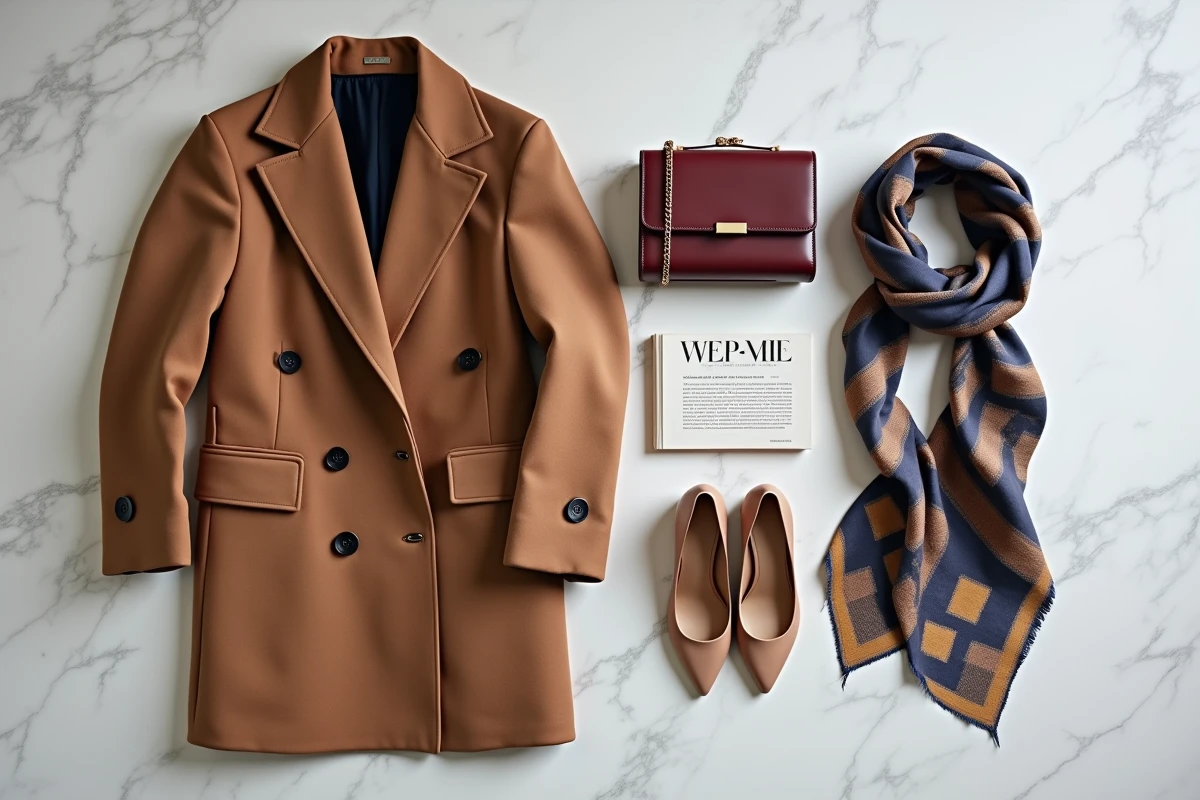
Among the pieces attracting the most attention this season, accessories hold a disproportionate place. The handbag, in particular, stands out as the main vector of French fashion trends internationally. Parisian houses dictate the shapes, colors, and finishes that are then replicated across all price ranges.
The structured medium-sized bag remains the standout silhouette of spring-summer. It can be seen both in street style looks captured during Fashion Week and in the windows of department stores. Saturated shades (bright red, cobalt blue) coexist with barely processed natural leathers, in a logic where each accessory must function as a standalone piece.
This weight of accessories in the fashion economy can be explained by a concrete purchasing behavior: renewing a bag or a pair of shoes costs less than a complete wardrobe, and the visual impact on an outfit is immediate. French leather goods brands have understood this and focus their launches on pieces with high visibility potential.
Colors and silhouettes spotted for the spring-summer season
On the ground, the color trends of this season are quite clear. Butter yellow, seen on several runways, is starting to settle into regular collections. It can be found on blouses, fluid trousers, and light accessories. It is a shade that works well in a total look or as a unique touch on a neutral outfit.
In terms of cuts, two silhouettes stand out. The barrel jean (rounded cut at the thighs, tapered at the ankle) continues its progression that began in previous seasons. The oversized sweater worn over fitted trousers creates a volume contrast that structures looks effortlessly.
- Butter yellow as the strong color of the season, ranging from casual to semi-formal
- The barrel jean establishing itself as an alternative to the classic straight jean
- Short colorful jackets, worn open over midi dresses or basic t-shirts
- Transparency and lace, directly inherited from the red carpets, adapted for everyday wear
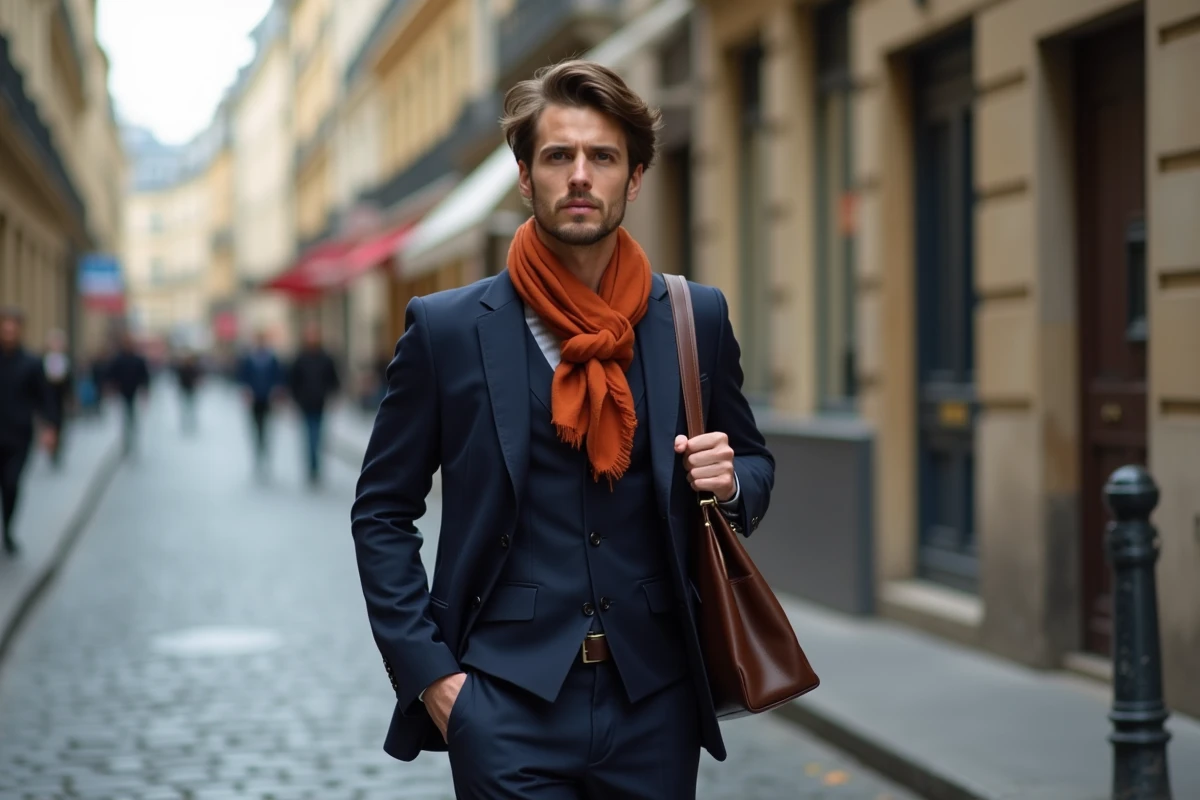
These trends share a common point: they favor the mixing of styles. A luxury piece (a structured bag, a designer jacket) is paired with accessible basics. French style in 2026 relies on the art of controlled contrast rather than a monolithic total look.
French fashion and Fashion Week: what men’s shows announce
The men’s fashion week in Paris records several notable returns, particularly from houses like Celine and Saint Laurent. These returns signal a renewed interest in structured menswear, after several seasons dominated by sportswear and streetwear.
The collections presented highlight worked materials, tailored cuts, and a return to the fundamentals of tailoring. For the French luxury world, men’s fashion represents a growth relay that major groups are investing in with significant resources, both in communication and creation.
The boundary between men’s and women’s fashion continues to blur in the proposals of French designers. Historically gendered pieces (trench coats, oversized blazers, wide trousers) now circulate freely between wardrobes, which mechanically expands the addressable market for each collection.
French fashion is going through a phase where execution speed is as important as creativity. The brands that stand out are those that combine agile production, accessories with strong identity, and the ability to transform a runway image into a wearable piece within weeks. This new pragmatism does not replace craftsmanship; it complements it.