Taking care of your skin, exercising regularly, and getting enough sleep often seem like three separate endeavors. You consult one site for beauty, another for fitness, and a third for sleep. The result: fragmented routines that are hard to maintain over time. Combining well-being, beauty, and fitness in daily life requires understanding how these three dimensions reinforce each other, and then building consistent habits.
Skin cycling and physical recovery: why your skin reflects your fitness
Have you ever noticed that your complexion changes after a week of poor sleep or intense training? It’s not a coincidence. The skin barrier and the skin microbiome react directly to physical stress and lack of rest.
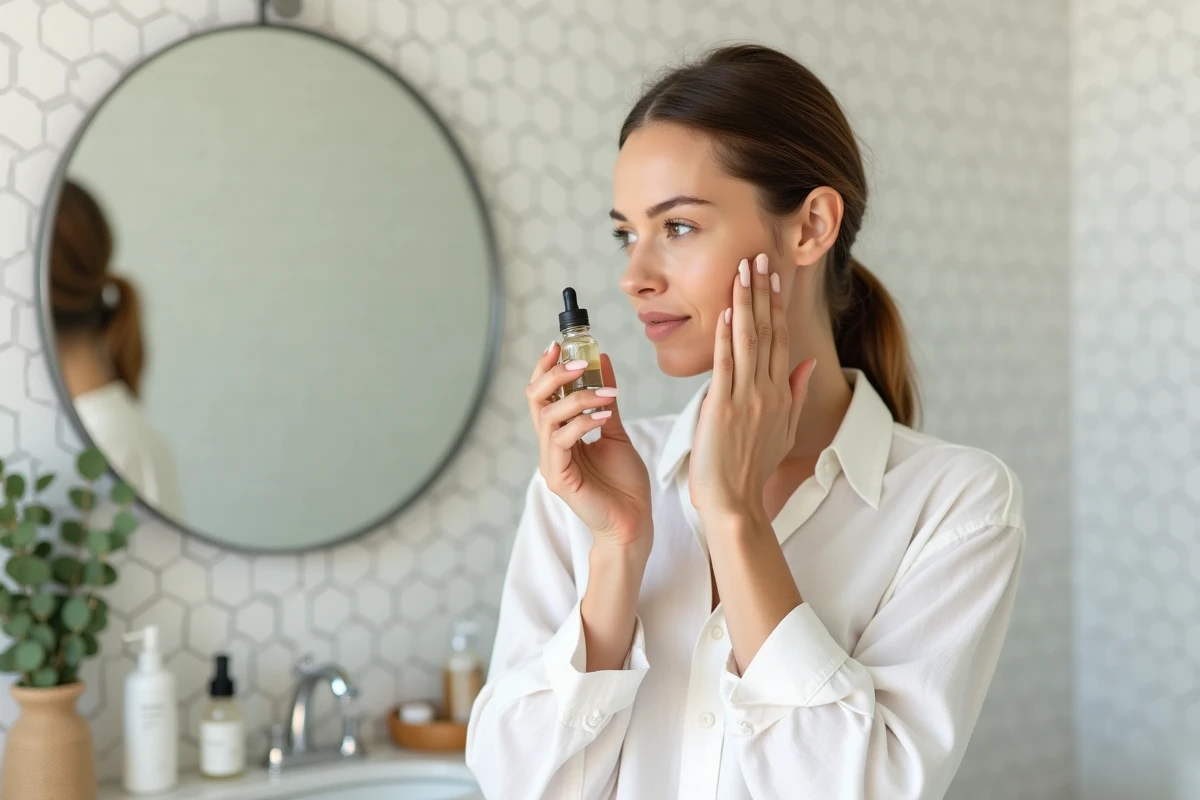
The skin cycling method illustrates this connection well. This approach involves alternating active treatments (retinoids, exfoliating acids) with recovery days where the skin receives only a simple moisturizing treatment. The idea is to allow the skin barrier to rebuild, just as a muscle needs rest between workouts.
Dermatologists have observed that people who follow a structured skincare routine also report better sleep quality and a more positive perception of their overall well-being. The likely mechanism: a regular evening ritual promotes falling asleep by sending a slowing signal to the brain. Combining this ritual with treatments suited to your skin type transforms a cosmetic gesture into a true recovery tool.
Resources like espaceformeetbeaute.fr allow you to explore this combined approach between body care and fitness, without compartmentalizing the disciplines.

Physical activity and beauty: adapting your sport to your skin and body goals
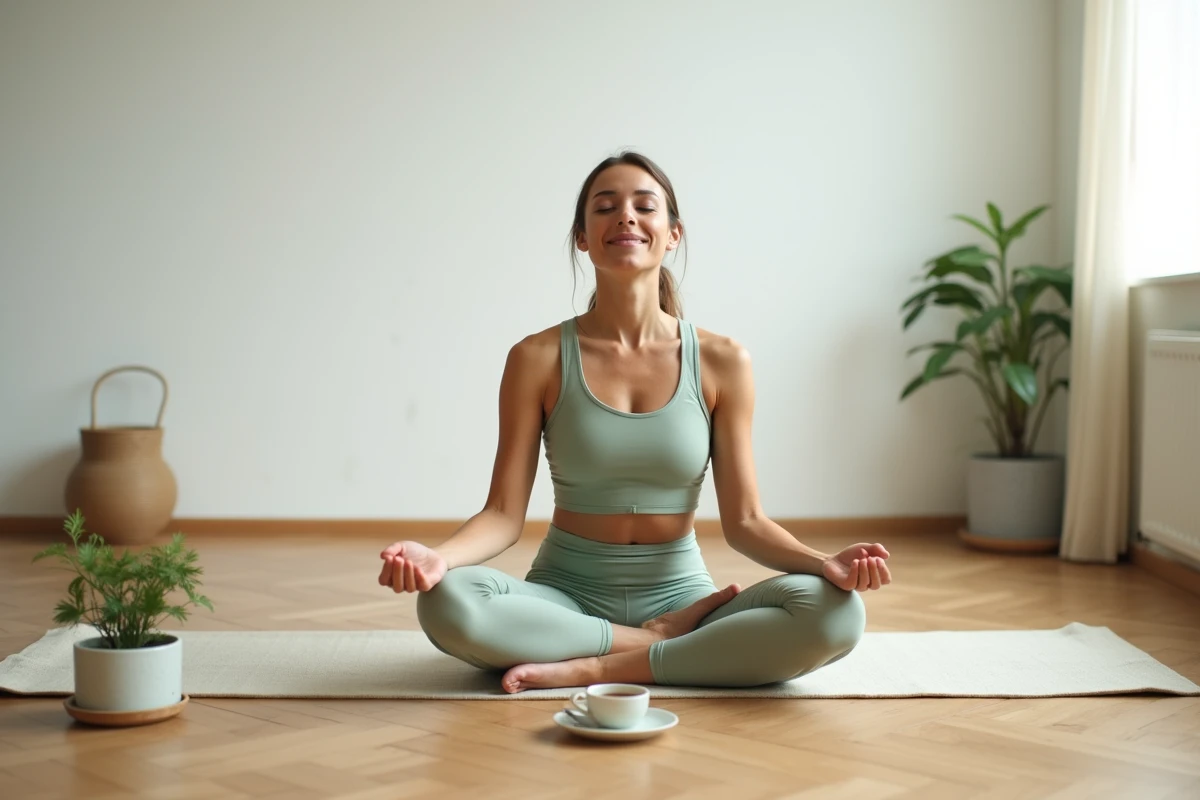
Not all physical activities have the same effect on the skin. Yoga, for example, combines muscle work, deep breathing, and inverted postures that stimulate blood circulation to the face. This type of exercise impacts both body tone and skin radiance.
In contrast, intense outdoor cardio training exposes the skin to the sun, pollution, and prolonged sweating. Without proper protection, these factors accelerate skin aging. Two practical precautions make a difference:
- Apply a lightweight, non-comedogenic sunscreen before any outdoor session, even on cloudy days, to protect the skin from UV rays that degrade collagen
- Cleanse the face within thirty minutes after exercise with a gentle cleanser to prevent the sweat-sebum mixture from clogging pores
- Opt for a moisturizer containing vitamin E or niacinamide after sports, two active ingredients that support skin barrier repair
Choosing your activity based on your lifestyle rather than following a generic trend makes all the difference. A person prone to redness will benefit more from yoga or swimming than from running in the sun.
The trap of overtraining on the skin
When the body is overloaded with training, cortisol levels remain high. This stress hormone promotes acne breakouts, skin dehydration, and slows healing. Recovery is just as much a part of the program as training.
Active rest days (walking, stretching, guided breathing) allow the body to regenerate while maintaining the rhythm of a daily routine.
Sleep and nutrition: the two pillars that beauty routines often overlook
Beauty advice often focuses on what we apply to the skin. It overlooks the two factors that condition skin quality from the inside: sleep and nutrition.
During deep sleep phases, collagen production accelerates and skin cells renew faster. A night that is too short or fragmented reduces this repair process. Sleep is the most underestimated anti-aging treatment.
On the nutrition side, vitamin C (citrus fruits, peppers, kiwis) contributes to collagen synthesis. Omega-3 fatty acids (fatty fish, flaxseeds) help maintain skin elasticity. These contributions complement topical treatments without replacing them.
Building an evening routine that combines all three
Instead of separating exercise, skincare, and rest, group them into a logical sequence in the evening. An example of a realistic routine:
- Thirty minutes of moderate activity (yoga, brisk walking, light strengthening) to gradually lower cortisol levels
- Warm shower followed by a gentle facial cleanse, then applying the treatment suited to the day of your skin cycling
- A light meal containing protein and vitamin-rich vegetables, eaten at least an hour before bed
- Turning off screens and doing abdominal breathing exercises for five minutes to prepare for sleep
This sequence takes no more than an hour and a half. It becomes a habit in a few weeks, significantly increasing the chances of maintaining it long-term.
Integrated well-being and beauty apps: centralizing for better adherence
The health app market is evolving towards tools that combine physical activity tracking, sleep journals, nutrition advice, and skincare routines in a single interface. This trend towards integration (“stacking”) is not a gimmick.
Users who centralize this data in a single app maintain their habits longer than those who juggle multiple tools. The reason is simple: seeing the impact of a bad night on skin quality, or noticing that a week of regular exercise improves complexion, creates a concrete motivation loop.
Before choosing an app, ensure it covers at least three dimensions (exercise, sleep, skincare) and allows you to visualize the correlations between them. A simple structured paper journal can also serve this function if you prefer to limit screen time.
Consistency between physical activity, skincare, and lifestyle does not require a specific budget or a clear schedule. It relies on understanding the link between these three dimensions and on a routine that is simple enough to last. The best program is the one you are still following in three months.