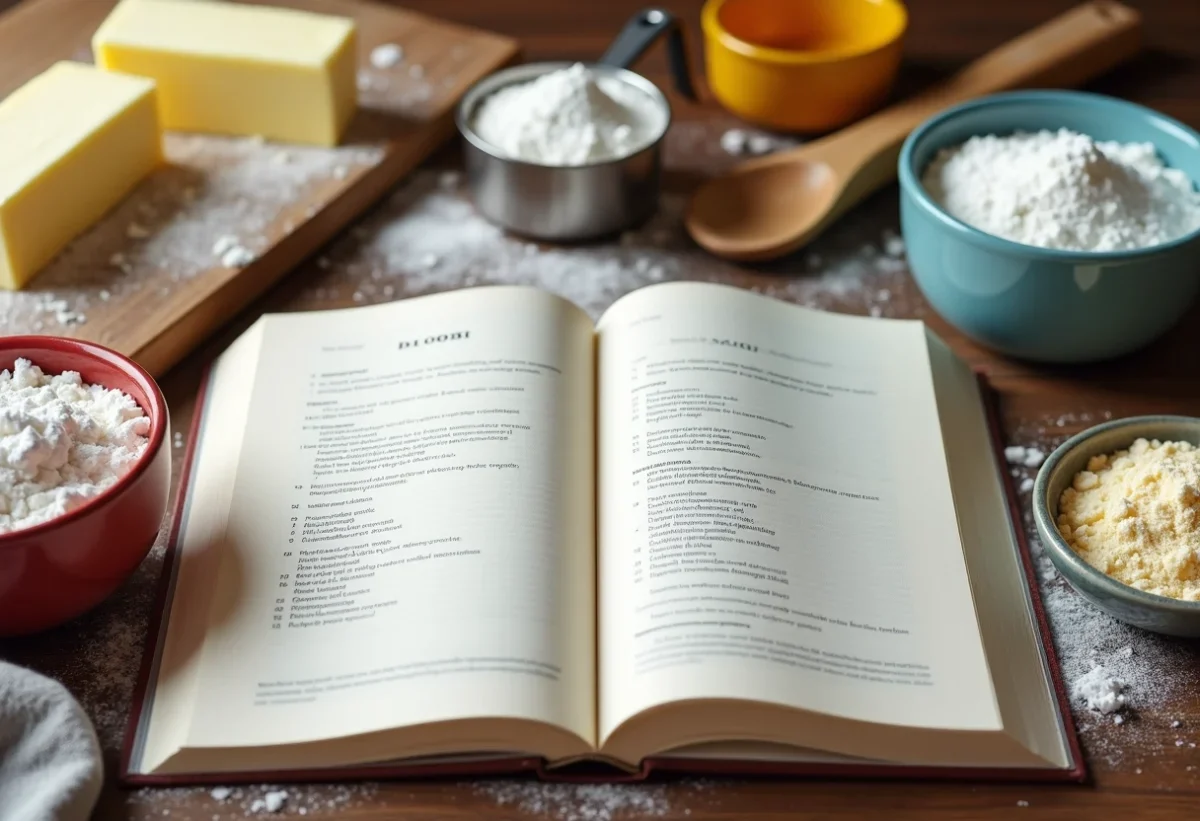
Getting into baking can seem intimidating, especially when it comes to understanding measurements. Between grams, milliliters, cups, and spoons, it’s not always easy to navigate. However, mastering these conversions is essential for successfully creating precise and delicious recipes.
For beginners, a few tips can greatly simplify the process. Using a kitchen scale to weigh ingredients helps avoid approximations. Having a conversion chart and precise measuring tools, such as measuring spoons and cups, also helps build confidence and accuracy.
The Basics of Measurement Conversions in Baking
Mastering measurement conversions is essential for successful baking recipes. Precision in measurement units ensures optimal texture and taste. In baking, recipes frequently use units such as milliliters, centiliters, grams, cups, and ounces. Understanding these conversions can turn an ordinary recipe into a true masterpiece.
Common Conversions
- 1 cl equals 10 ml
- 10 cl equals 100 ml
- 50 cl equals 500 ml
- 1 kg equals 1000 g
- 1 L equals 1000 ml
- 1 ounce (oz) equals 28.35 g
Equivalences for Common Ingredients
| Ingredient | Quantity | Equivalence |
|---|---|---|
| Flour | 1 cup | 130 g |
| Sugar | 1 cup | 245 g |
| Butter | 1 cup | 240 g |
| Cocoa | 1 cup | 120 g |
To convert 250 ml to g, you need to know the density of the ingredient. For example, for water, 250 ml equals 250 g. For sugar, it would be different. Using a kitchen scale remains the most accurate method for such conversions.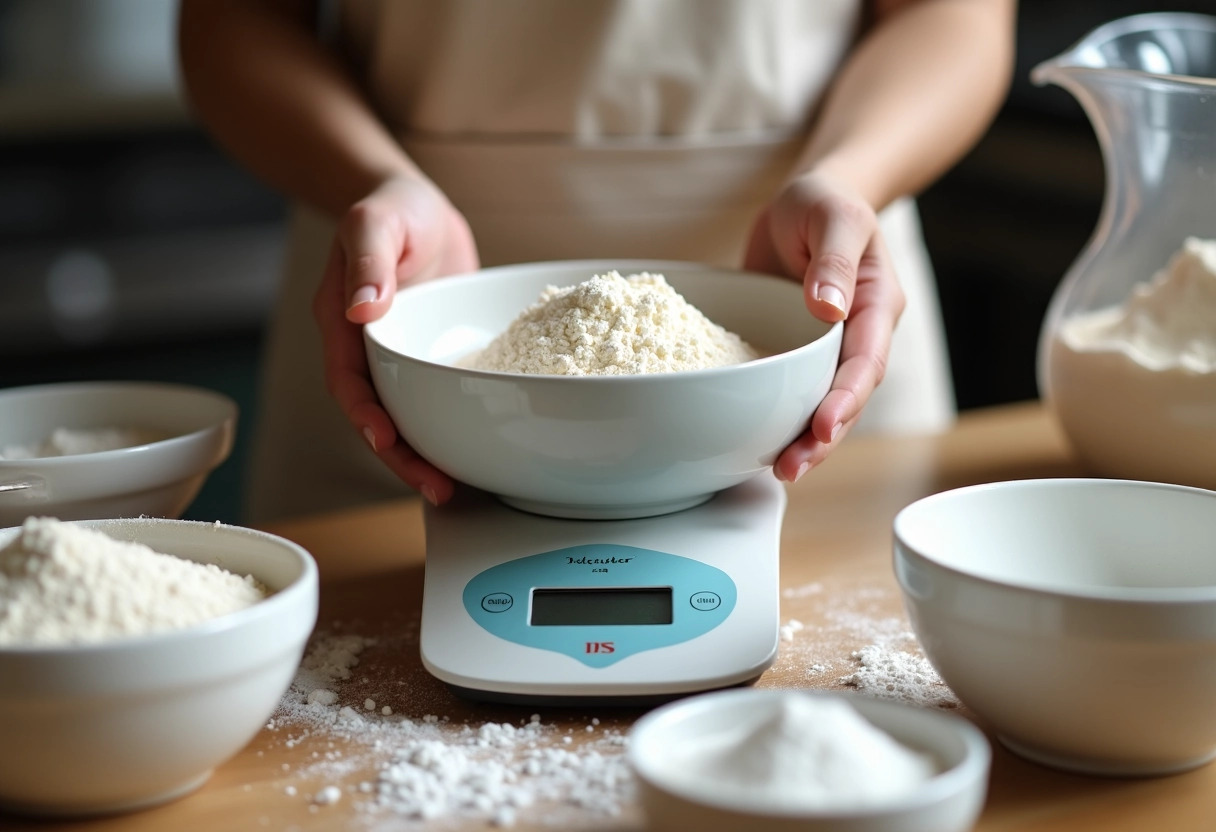
Tools and Tips for Accurate Conversions
To ensure measurement accuracy, several tools become indispensable in baking. A kitchen scale, for example, offers unmatched precision for weighing ingredients. Investing in a digital scale helps avoid common errors related to approximate conversions.
The measuring cup is another key tool. It allows for precise measurement of liquids and helps avoid spills. Using a graduated measuring cup in milliliters and centiliters makes it easier to convert volumes without complex calculations.
Measuring spoons, often sold in sets, are essential for dosing small quantities of ingredients like spices, salt, or yeast. These spoons are calibrated for precise measurements in teaspoons, tablespoons, and fractions of spoons.
Conversion tables remain essential references for bakers. They provide quick equivalences between different measurement units, thus avoiding calculation errors. Print out a conversion table and keep it handy in your kitchen.
Follow the advice of chefs: prefer weight measurements over volume measurements. Professionals often use kitchen scales to weigh both dry and liquid ingredients, ensuring optimal precision.