Exotic plants, with their dazzling shapes and colors, bring a touch of originality and escape to our gardens and interiors. Their propagation, often seen as a challenge, requires specific attention and techniques to succeed. From selecting species suited to our climates, to using appropriate substrates, and employing methods such as cuttings or sowing, both amateur gardeners and seasoned horticulturists constantly seek to optimize this process. Well-kept secrets ensure the growth and lush flowering of these capricious plants, far from their natural habitats.
Advanced Techniques for Propagating Exotic Plants
Gardeners in search of diversity and innovation turn to vegetative propagation to expand their collection of exotic plants. This approach, encompassing methods such as division, layering, cuttings, and grafting, offers various possibilities to faithfully propagate these rare specimens.
Division works particularly well for herbaceous perennials, grasses like miscanthus, bamboos, as well as lavender, sage, violets, and dogwoods. By separating the mother plant into several segments, each with its share of roots and stems, true clones are created, ready to be replanted and thrive independently.
Layering, on the other hand, involves producing roots on a branch still attached to the mother plant. Practiced on species such as ivy, honeysuckle, kiwis, clematis, hazelnut, maple, pawpaw, and dogwood, it allows for secure propagation by keeping the branch nourished by the original plant until the roots are strong enough for separation.
As for cuttings, the technique of choice for faithfully reproducing a mother plant, it is commonly used for species like willow, fig, olive, rosemary, grapevine, common pear, common apple, currants, and even for bamboo cuttings. The use of substances such as auxin, salicylic acid, or natural rooting hormones promotes root development and significantly increases the success rate.
Grafting, a delicate method reserved mainly for fruit trees, involves uniting two plants of the same family to transfer the desired characteristics of the grafted plant onto a vigorous rootstock suited to the local soil. A delicate operation that results in robust and productive plants, contributing to the diversity of varieties within a countryside hedge or a forest garden.
Optimizing Growth Conditions Post-Propagation
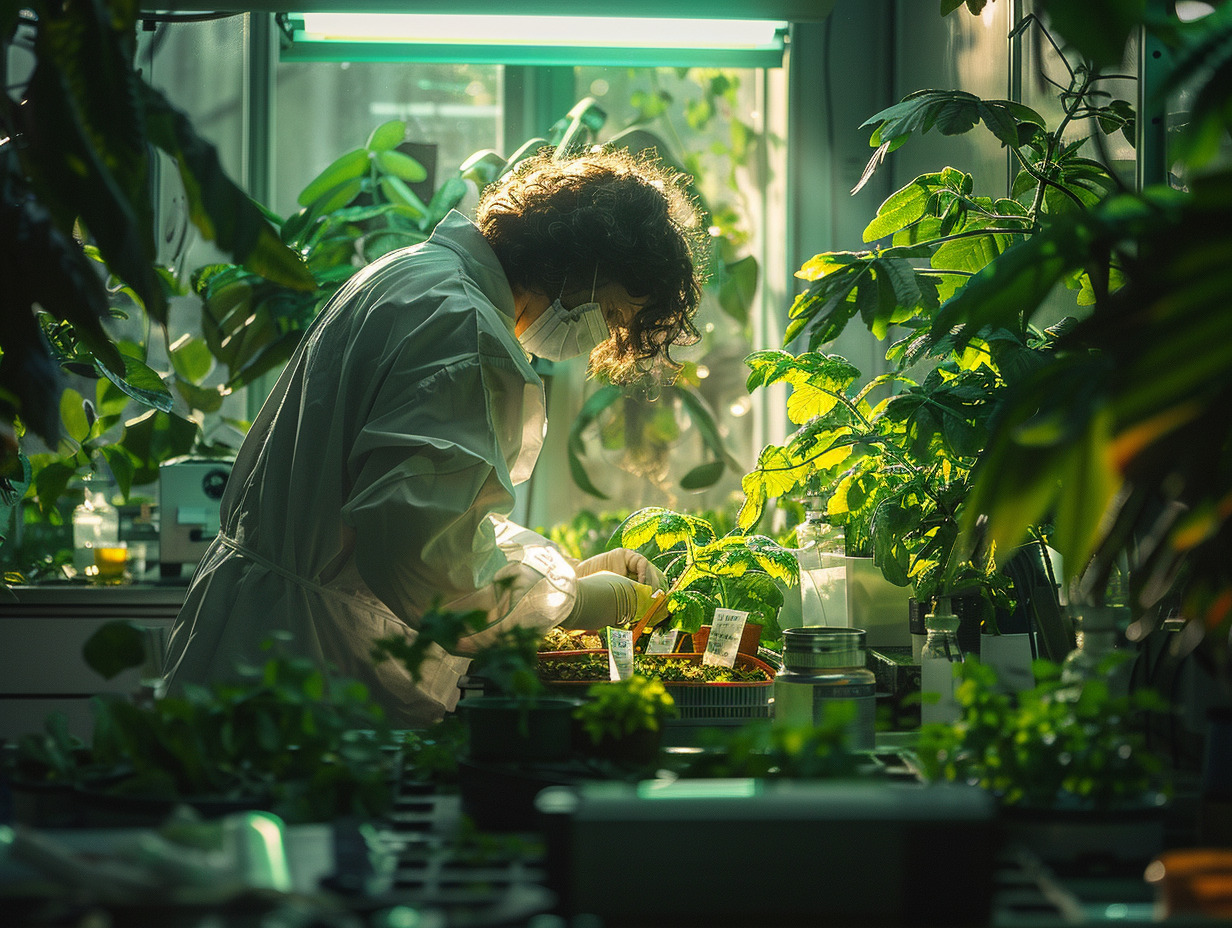
Once the act of propagation is completed, the seedlings resulting from division, layering, cuttings, or grafting require appropriate care to ensure their optimal development. This ongoing support for these young shoots demands particular attention to growth conditions. Soil moisture, light levels, ambient temperature, and protection from strong winds or scorching sun rays must be precisely adjusted for each species. The willow, for example, naturally exudes rooting hormones but requires a well-hydrated environment for its cuttings to root successfully.
Regular maintenance is also a key factor in the success of post-propagation growth. This includes controlled watering, avoiding excess that could harm the health of young plants, balanced fertilization that supports growth without forcing the plant, and monitoring for pests and diseases. For indoor plants like aloe vera, the quality of the substrate, rich yet draining, and the frequency of watering will be crucial for the plant’s development.
Consider the phenomenon of vegetative growth, which varies by species. Exotic plants, often originating from specific climates and ecosystems, may require particular adjustments in terms of photoperiod, humidity, or temperature. Advice and recommendations for each type of plant should be sought from professionals or specialized literature to ensure the best possible adaptation of the young plants to their new environment.