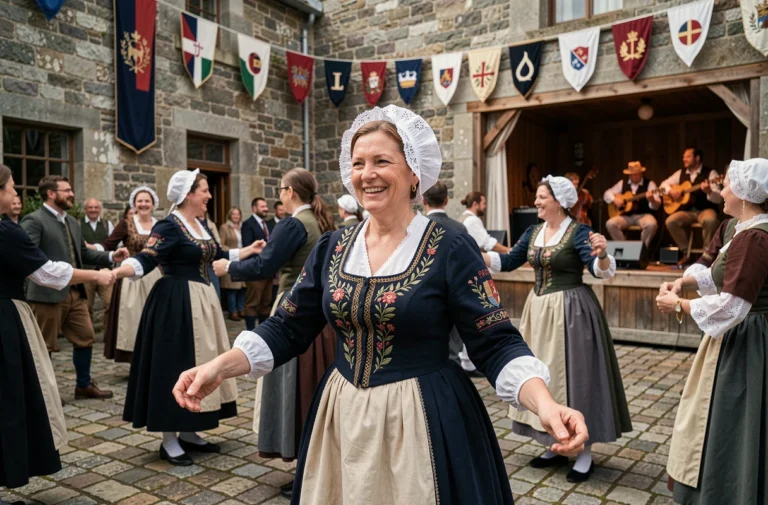
Planning a round-the-world trip leads to creating a long list of classic activities: temples, beaches, high-altitude treks. Recent field data shows that several of these activities are now subject to environmental or climatic restrictions that change the game for travelers.
Environmental Restrictions and Threatened Activities in a Round-the-World Trip
Since mid-2025, several national parks in New Zealand and Switzerland have gradually banned zip lines and bungee jumping to preserve fragile ecosystems. These restrictions are significantly reshaping the list of activities that can be undertaken during a trip around the world.
In the Amazon, the notable increase in cancellations of activities due to record flooding, a direct consequence of climate change, is forcing travelers to pivot towards safer river alternatives since late 2025. These constraints are not trivial: they are redefining realistic itineraries for anyone planning several weeks on the ground.
Field feedback varies on the possibility of maintaining certain iconic experiences in their usual format. Exploring the activities offered on Tour du Monde helps identify those that remain feasible in this changing context.
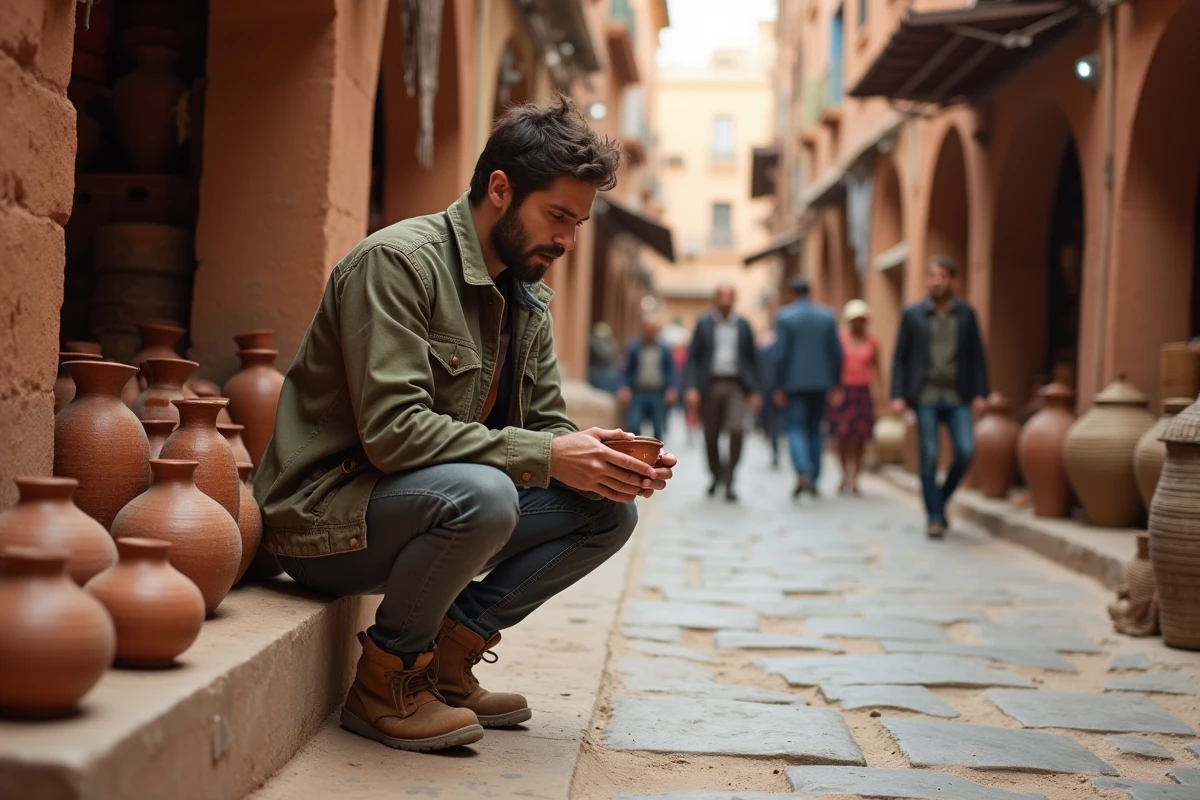
Low-Carbon Round-the-World Trip: Prioritizing Slow Transport and Low-Impact Activities
The angle of low-carbon travel remains absent from most classic guides. Incorporating activities into a round-the-world trip without multiplying domestic flights requires a different approach, focused on slow transport: train, cargo, long-distance bus, coastal shipping.
Which Activities Suit Slow Travel
Some experiences gain intensity when the journey is part of the adventure. A river cruise in China on the Li River, a train journey through Nepal or Thailand, a ferry crossing between Indonesian islands: slow transport becomes the activity itself.
- Long-duration hiking (trekking in Nepal, crossing the Moroccan Atlas) generates no emissions on-site and offers an immersion that flying between two capitals does not provide.
- Stays with locals in rural Australia or in nomadic communities in Central Asia replace motorized excursions with direct discovery of local daily life.
- Nocturnal observation (northern lights in Lapland, starry skies in the Atacama Desert) requires no heavy infrastructure and ranks among the highest-rated activities by travelers in recent years.
Natural Offsets Absent from Classic Lists
Rather than purchasing abstract carbon credits, some travelers incorporate participatory reforestation or coastal cleanup stops into their itinerary. These activities exist in Costa Rica, Thailand, and Senegal, and they extend the stay by a few days without additional flights.
A round-the-world trip lasting several weeks can reduce its footprint by replacing three domestic flights with a land journey that crosses an entire country. The gain is not only ecological: it changes the very nature of the trip.
Nocturnal and Immersive Experiences: An Underestimated Angle for Travelers
Recent qualitative feedback from travelers indicates that nocturnal experiences surpass daytime safaris in satisfaction. Observing the northern lights in Lapland tops the list, followed by night dives and visits to bioluminescent caves.
The Waitomo Caves in New Zealand, where glowworms line the ceilings, remain accessible despite new restrictions on other activities in the country. This type of nocturnal experience does not depend on seasonal weather or expensive equipment.

Meanwhile, the significant rise in immersive virtual reality experiences to simulate extreme activities such as Himalayan trekking or shark diving marks a recent trend. This trend particularly concerns solo travelers since 2025. The available data does not yet allow for conclusions on whether these simulations complement or replace the on-the-ground experience, but they are changing how travelers prepare their itineraries.
Building a Coherent Itinerary of Activities by Geographic Area
Piling up destinations without geographic logic multiplies flights and fragments the experience. An itinerary built by zones allows for concentrating activities and limiting air travel.
- South East Asia Zone (Thailand, Cambodia, Vietnam): street food, rice field trekking, river navigation on the Mekong. Everything is done by bus or boat between countries.
- Oceania Zone (Australia, New Zealand): coastal hikes, bioluminescent caves, immersion in Aboriginal communities. Domestic distances remain the carbon weak point of this zone.
- South America Zone (Peru, Argentina, Chile): high mountains, observation of the southern sky, Amazon river alternatives when conditions allow.
This zoning is not an innovation, but it is becoming a logistical necessity in the face of increasing restrictions on certain activities and climatic uncertainties that disrupt classic linear itineraries.
The round-the-world trip as it was planned a few years ago, with a fixed list of places to check off, now faces shifting regulatory and climatic realities. Adapting one’s itinerary to activities that are genuinely feasible, prioritizing slow travel, and integrating nocturnal or participatory experiences results in a denser journey, with fewer flights and more ground covered at a human scale.